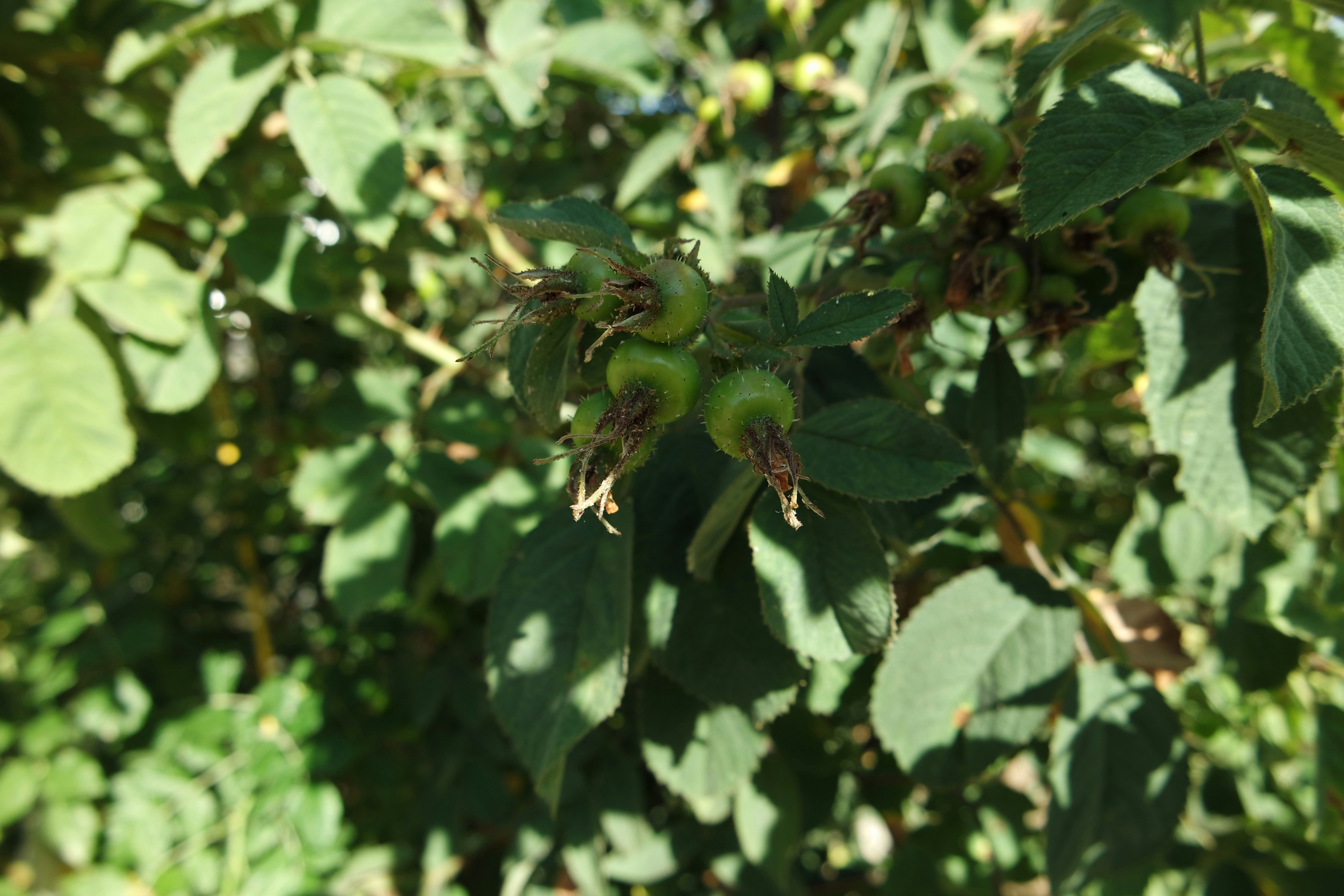
Introduction to Polyphenols
Polyphenols are a diverse group of naturally occurring compounds found abundantly in plant-based foods. They are characterized by the presence of multiple phenolic structures, which contribute to a wide array of beneficial properties. These bioactive compounds are predominantly found in fruits, vegetables, tea, coffee, red wine, and whole grains, highlighting the importance of a diet rich in plant-based nutrients.
The significance of polyphenols in nutrition stems from their potential health benefits. Research indicates that these compounds possess potent antioxidant properties, which help combat oxidative stress and inflammation, both of which are linked to chronic diseases. Additionally, polyphenols have been associated with improved cardiovascular health, enhanced cognitive function, and a reduced risk of certain cancers, making them a vital component of a balanced diet.
The role of polyphenols transcends mere nutrition; they are known to influence gut health by promoting the growth of beneficial gut microbiota. This in turn can lead to improved digestion, better nutrient absorption, and enhanced immune response. As our understanding of the human microbiome evolves, the inclusion of polyphenol-rich foods in our diet offers a promising approach to maintaining overall health and well-being.
In light of these potential advantages, the exploration of polyphenols warrants attention not only for their nutritional value but also for their contributions to health maintenance and disease prevention. In subsequent sections, we will delve deeper into specific types of polyphenols, their mechanisms of action, and how they can be effectively incorporated into everyday diets for optimal health benefits.
Types of Polyphenols
Polyphenols, which are naturally occurring compounds found in plants, can be divided into several categories based on their chemical structure and properties. The four primary types of polyphenols are flavonoids, phenolic acids, polyphenolic amides, and other polyphenolic compounds, each exhibiting unique characteristics and health benefits.
Flavonoids are perhaps the most recognized group of polyphenols, encompassing a wide range of subcategories such as flavonols, flavanones, and anthocyanins. These compounds are prevalent in fruits, vegetables, tea, and red wine. For example, quercetin, a type of flavonol found in apples and onions, is renowned for its antioxidant properties and potential ability to enhance cardiovascular health.
Phenolic acids constitute another significant subgroup of polyphenols, predominantly divided into two categories: benzoic acid and cinnamic acid derivatives. These acids are commonly found in coffee, berries, and whole grains. Chlorogenic acid, a polyphenol abundant in coffee, is particularly noted for its role in managing blood sugar levels and its overall anti-inflammatory effects.
Polyphenolic amides, which include capsaicinoids found in chili peppers and lignans present in flaxseeds, play a vital role in plant defense mechanisms. These compounds have garnered attention for their potential benefits in metabolic health and their ability to mitigate oxidative stress.
Additionally, there are other lesser-known polyphenols, such as stilbenes and curcuminoids, the latter being prominent in turmeric. Resveratrol, a well-studied stilbene found in red grapes, is often associated with anti-aging properties and cardiovascular benefits. Each type of polyphenol contributes to a diverse array of flavor profiles and health-promoting benefits in the foods we consume, highlighting the importance of incorporating a variety of plant-based sources into our diets.
Health Benefits of Polyphenols
Polyphenols, a diverse group of naturally occurring compounds found abundantly in plant foods, have garnered significant attention for their myriad health benefits. Chief among these is their powerful antioxidant properties. Antioxidants are essential for combating oxidative stress caused by free radicals, which can lead to cellular damage and contribute to various chronic diseases. Multiple studies highlight the effectiveness of polyphenols, such as flavonoids found in berries and green tea, in scavenging free radicals and neutralizing harmful oxidative reactions in the body.
In addition to their antioxidant capabilities, polyphenols exhibit notable anti-inflammatory effects. Chronic inflammation is a contributing factor to numerous health issues, including cardiovascular diseases, diabetes, and certain cancers. Research indicates that polyphenols can modulate inflammatory pathways and reduce markers of inflammation, thereby potentially lowering the risk of these diseases. For example, a study published in the Journal of Nutritional Biochemistry reported that individuals consuming a diet high in polyphenol-rich foods experienced significant reductions in inflammation markers when compared to those with lower consumption.
The role of polyphenols in disease prevention is another critical area of study. Epidemiological research suggests that regular intake of polyphenol-rich foods correlates with a lower incidence of chronic diseases. A meta-analysis revealed that higher dietary polyphenol intake is linked to a decreased risk of developing cardiovascular diseases and neurodegenerative disorders, such as Alzheimer’s disease. Specific polyphenols, such as resveratrol in red wine and curcumin in turmeric, have also shown promising potentials in reducing the onset of these diseases.
In summary, the health benefits of polyphenols are vast and supported by substantial scientific evidence. Their antioxidant and anti-inflammatory properties contribute to their potential in disease prevention, making polyphenol-rich foods an essential part of a healthy diet.
Polyphenols and Disease Prevention
Polyphenols are a diverse class of naturally occurring compounds found abundantly in plant foods. Their role in disease prevention has gained considerable attention due to increasing evidence linking polyphenol-rich diets with lower incidences of chronic diseases, including heart disease, diabetes, and certain forms of cancer. Scientists attribute these protective effects to the antioxidant, anti-inflammatory, and antitumor properties of polyphenols, which work synergistically to support overall health.
Heart disease remains a leading cause of mortality worldwide, but studies have indicated that high consumption of polyphenol-rich foods, such as berries, tea, and dark chocolate, is associated with a reduced risk of cardiovascular events. For instance, a notable cohort study revealed that individuals with diets rich in flavonoids, a subcategory of polyphenols, exhibited a significantly lower risk of coronary artery disease. The mechanisms by which polyphenols provide cardiovascular protection include improving endothelial function, reducing blood pressure, and lowering cholesterol levels.
Additionally, polyphenols have been shown to play a role in diabetes management by improving insulin sensitivity and regulating blood sugar levels. Research highlights that individuals consuming substantial amounts of polyphenols experience a more favorable glycemic response, thus lowering the risk of developing type 2 diabetes. Common sources include apples, grapes, and various spices like cinnamon and turmeric.
Moreover, polyphenols may also exert protective effects against certain types of cancer. Epidemiological studies indicate that diets rich in these compounds correlate with a reduced risk of cancers, particularly colorectal and breast cancer. The potential mechanisms involve inhibition of tumor cell proliferation and induction of apoptosis in malignant cells. These findings underscore the significance of integrating polyphenol-rich foods into one’s diet as a proactive measure in disease prevention, promoting overall health and well-being.
Food Sources Rich in Polyphenols
Polyphenols are a diverse group of naturally occurring compounds found abundantly in plants, particularly in fruits, vegetables, teas, coffee, and dark chocolate. These compounds are well-researched due to their potential health benefits, including antioxidant, anti-inflammatory, and cardioprotective effects.
Fruits are among the richest sources of polyphenols. Berries, in particular, such as blueberries, strawberries, and blackberries, are known for their high polyphenol content. Apples, grapes, and cherries are also noteworthy contributors. Incorporating these fruits into your daily diet can be as simple as adding them to your morning cereal, blending them into smoothies, or enjoying them as a healthy snack.
Vegetables contribute significantly to polyphenol intake as well. Rich sources include artichokes, red onions, and spinach. To maximize their health benefits, consider incorporating a variety of these vegetables into your meals. Salads, sautéed dishes, and stir-fries are excellent ways to include these nutrient-rich options.
Tea, particularly green and black varieties, is another robust source of polyphenols. Drinking just a cup or two of tea daily can help boost your polyphenol intake. You may also consider using these teas as bases for iced teas or infusing them into smoothies.
Coffee is surprisingly rich in polyphenols, making it another accessible source of these beneficial compounds. However, moderation is key; limiting sugar and cream can further enhance the beverage’s health benefits.
Finally, dark chocolate, with a cocoa content of 70% or higher, is a delectable way to include polyphenols in your diet. Enjoy it in moderation as a treat, or consider adding it to smoothies or oatmeal for an extra layer of flavor.
Factors Affecting Polyphenol Absorption
The absorption of polyphenols, which are bioactive compounds derived from plant foods, can be influenced by various factors. Understanding these determinants is essential to maximizing the health benefits of polyphenols. One significant factor is the method of food preparation. Cooking techniques, such as boiling, steaming, or frying, can affect the bioavailability of polyphenols. For example, certain cooking methods may break down cell walls in fruits and vegetables, thereby enhancing the release and absorption of polyphenolic compounds. Conversely, excessive heat can lead to a degradation of these beneficial compounds, diminishing their efficacy.
Another crucial element is gut health. The human gastrointestinal system plays a pivotal role in breaking down polyphenols and facilitating their absorption into the bloodstream. A balanced gut microbiota can enhance the conversion of polyphenols into bioactive metabolites, which are more readily absorbed and utilized by the body. Conversely, an imbalance in gut flora can impede absorption and diminish the potential health benefits associated with these compounds.
The presence of other nutrients in food can also significantly impact polyphenol absorption. For instance, certain vitamins and minerals, such as vitamin C and zinc, can aid in the breakdown and assimilation of polyphenolic compounds. However, some nutrients may compete for absorption. For example, excessive dietary fiber can potentially inhibit polyphenol uptake due to the binding of these compounds with fiber molecules, which may limit their bioavailability. Therefore, achieving a well-rounded diet that considers the synergistic effects of various nutrients is integral to optimizing polyphenol absorption.
Cooking and Processing Effects on Polyphenols
Polyphenols are known for their antioxidant properties and health benefits, making them essential components of a balanced diet. However, the content and bioavailability of these compounds can be significantly affected by various cooking methods and food processing techniques. Understanding these effects is crucial for maximizing the polyphenolic benefits of plant-based foods.
Different cooking methods, such as boiling, frying, steaming, and microwaving, can alter the levels of polyphenols in foods. Typically, boiling vegetables tends to lead to a greater loss of polyphenols compared to steaming or microwaving. This is because boiling can enhance leaching, where soluble nutrients dissolve in the cooking water. Conversely, steaming retains more polyphenols, as it minimizes direct contact with water and generally requires lower cooking temperatures.
Frying can also have varying effects on the polyphenol content of certain foods. The high temperatures involved in frying can degrade sensitive polyphenolic compounds, leading to a decrease in their overall levels. Therefore, if frying is the chosen method, it is advisable to use oils with high smoke points, and keep cooking times to a minimum.
Moreover, the processing of foods, such as fermentation and drying, can impact the availability of polyphenols. Fermentation has been found to enhance the bioavailability of certain polyphenols, making them easier for the body to absorb. On the other hand, drying processes may cause varying degrees of loss, depending on the duration and conditions of drying.
To retain the highest levels of polyphenols, it is recommended to consume plant foods raw when appropriate, or to use cooking methods that require less water and shorter cooking times. In addition, gentle techniques such as steaming and microwaving are preferable choices for maximizing polyphenolic content. By making informed choices about cooking methods, individuals can better harness the health benefits associated with these powerful compounds.
Polyphenols in Supplements: Are They Effective?
Polyphenols, widely known for their antioxidant properties and health benefits, can also be found in supplement form. This raises the question of their effectiveness compared to consumption through whole food sources. Many consumers turn to polyphenol supplements, seeking the potential advantages they offer, ranging from improved cardiovascular health to enhanced cognitive function.
Research indicates that polyphenol supplementation may lead to some positive health outcomes; however, these effects often pale in comparison to the benefits derived from whole food sources. Whole foods rich in polyphenols, such as fruits, vegetables, teas, and whole grains, provide a complex matrix of nutrients and phytochemicals. These compounds can work synergistically to enhance absorption and bioavailability. For instance, studies suggest that consuming blueberries can improve vascular function and cognitive health better than isolated polyphenol extracts.
In addition to possibly being less effective than their whole food counterparts, polyphenol supplements may also carry certain risks. Some supplements can contain unregulated amounts of polyphenols, leading to unpredictable effects on the body. High concentrations may cause digestive discomfort or interfere with medications, particularly blood thinners, leading to adverse health outcomes. Furthermore, the long-term effects of consuming isolated polyphenol supplements are still not fully understood.
Notable clinical studies have highlighted the superiority of obtaining polyphenols through dietary sources. A study published in the “American Journal of Clinical Nutrition” found that individuals who consumed a diet rich in polyphenols showed lower markers of inflammation and oxidative stress compared to those relying on supplements. This evidence suggests that while polyphenol supplements may present a convenient option, they should not replace a balanced diet rich in whole plant foods.
Conclusion: Embracing Polyphenols for Healthier Living
As explored throughout this blog post, polyphenols are an essential group of compounds found abundantly in a variety of plant foods. Their impressive array of health benefits, ranging from antioxidant properties to potential anti-inflammatory effects, underscores the importance of incorporating polyphenol-rich foods into our daily diets. Numerous studies corroborate that these compounds may play a significant role in disease prevention and overall health enhancement.
The diversity of polyphenol sources, including fruits, vegetables, whole grains, nuts, and beverages such as tea and coffee, presents numerous opportunities for individuals to enrich their meals and snacks. By embracing a colorful and varied diet, one can not only enjoy the natural flavors of these foods but also ensure a wide spectrum of polyphenols is consumed. This approach not only helps in promoting optimal health but also secures the intake of different nutrients essential for well-being.
In order to maximize the benefits offered by polyphenols, it is advisable to prioritize whole, unprocessed plant foods while minimizing refined and heavily processed options. Simple changes, such as incorporating berries into breakfast or opting for dark chocolate as a treat, can significantly enhance polyphenol intake. Furthermore, being mindful of the cooking methods used may preserve or even boost the polyphenol content in various foods.
In conclusion, the journey to better health through the power of polyphenols is both enjoyable and rewarding. Adopting a diet rich in these beneficial compounds is an investment in one’s long-term health. Therefore, let us embrace these vibrant foods for a healthier and more balanced lifestyle.